Welcome, Protective Parents.
If you’re here, it means you’re seeking help to navigate the oppressive reality of coercive control. You may have lived through the torment of an abusive relationship and are now fighting to protect your child. You might also be grappling with institutional betrayal—feeling let down by the very systems designed to safeguard you and your family.
We understand how overwhelming this can be, and we’re here to help.
As Coercive Control and Trauma-Trained Clinicians, Coaches, Protective Parents, and Survivors—we offer the expertise, empathy, and shared experience to support you on this journey.
Together, let's maximize your time with your child and minimize their exposure to the coercive controller. And most importantly, let's fortify and/or reignite and strengthen your child’s attachment to you, even in the face of challenging circumstances.
These wounds can be healed. I'm here to support you every step of the way.
Protective Parenting Program
Our Signature Program for Parents
STOP the Predatory Parent from Further Coercing and Indoctrinating Your Child.
The Protective Parenting Program is offered both as a LIVE Coaching Training Course with Dr. C or as a Self-Study Training Course.
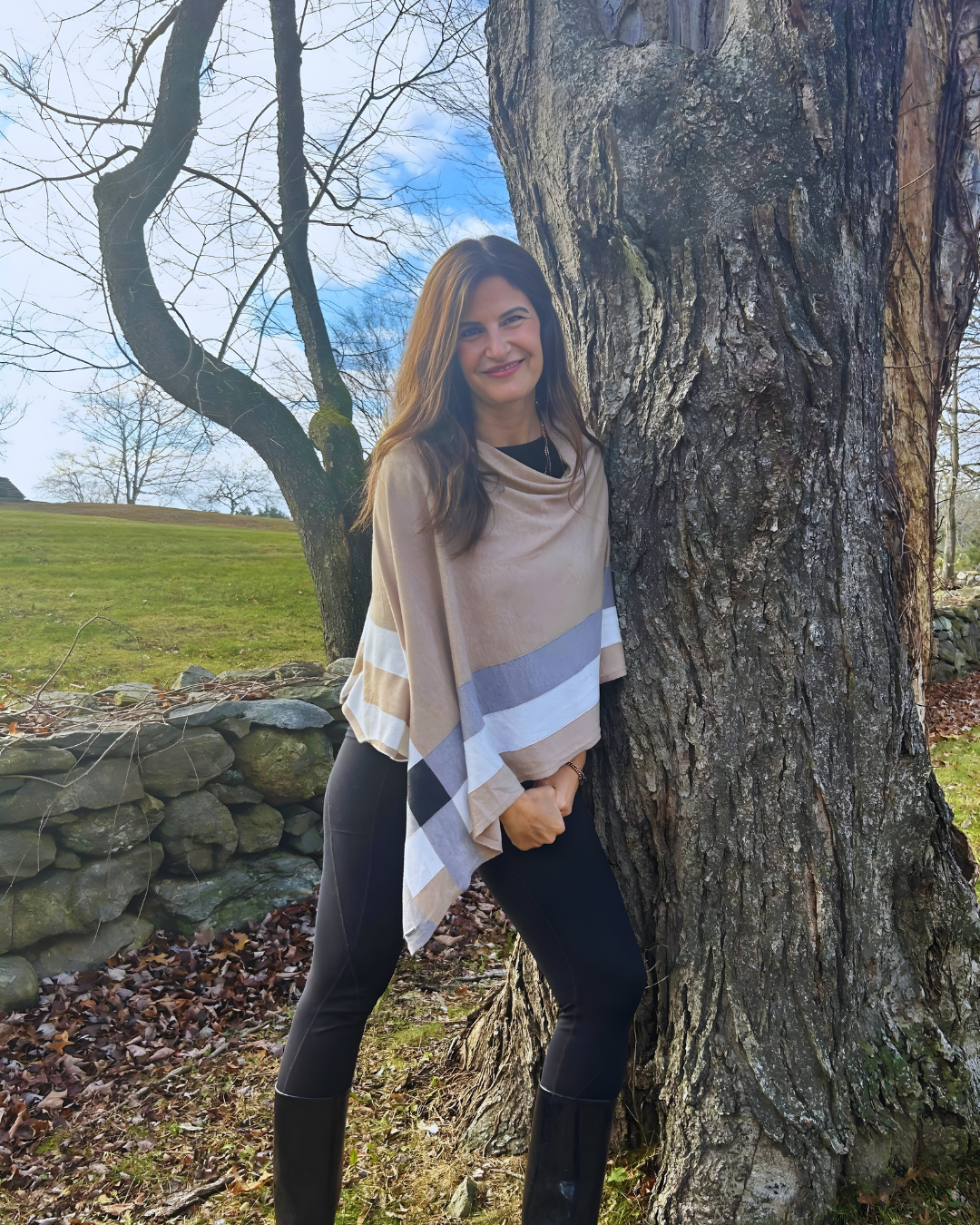
Dr. C's Inner Circle Community
For protective mothers to support engaging in therapeutic best practices for children being harmed by the coercive controller/narcissistic abuser.
Dr. C's Inner Circle Community provides coercive control, trauma-informed coaching and a built-in support network, connecting you with other protective moms who are going through similar experiences. You’re not alone—together, we navigate the journey of healing and empowerment.


Other Courses & Resources
Webinar for Protective Parents & Allies
Whether you are a protective parent or have a loved one in that role, this webinar offers a profound understanding of the experiences faced by victims and survivors. By delving into the intricate dynamics of coercive control, attendees will gain valuable insights into the manipulative tactics employed and the resulting emotional toll.
Webinar for Adolescents & Protective Parents
Discover where your boundaries lie with our eye-opening webinar: ‘Where Is Your Line?’ This educational session is specially crafted for adolescents/young adults and their protective parents, offering crucial insights into recognizing coercive control and unhealthy dynamics within relationships.
Free Visual Tool
This resource illuminates the trauma experienced by children who are victims of a coercive controller. The chart provides valuable insights into their psychological struggles, helping protective parents understand the journey from pre-trauma vulnerability to the challenges faced while under coercive control. By mapping this journey, parents can recognize their crucial role in guiding their children toward freedom, reignited attachment, resilience, and post-traumatic growth.
Free Guide
Dr. Cocchiola's guide provides specific interview questions for parents seeking therapists or court professionals to help children affected by coercive control. While not exhaustive, it offers focused inquiries, enabling parents to find compassionate and qualified professionals for their children's healing journey.
Free Guide
These statements may prove useful if you are engaging with a clinician, school professional, physician, or other providers.
We need a SEA of ALLIES to counteract those who do not understand the coercive control of our children. The Clinicians in our directory have completed Dr. C’s Coercive Control Trauma-Informed Clinician Certification Training.
Every Moment of Everyday Day
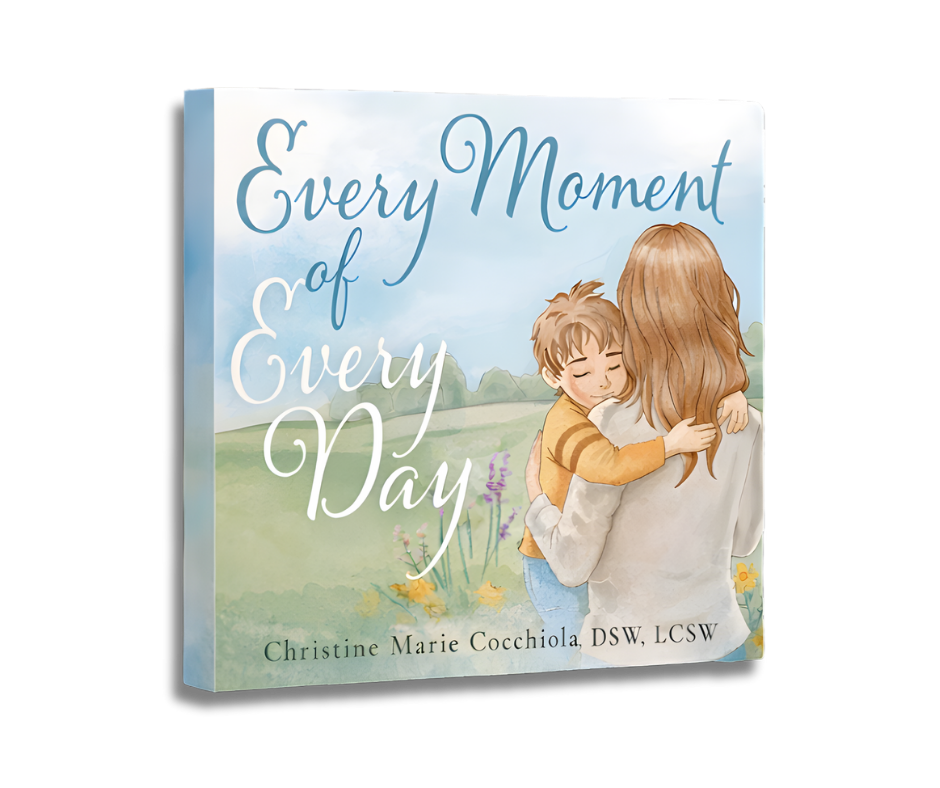
Perfect for families navigating:
✅ Emotional transitions
✅ Big feelings & reassurance
✅ Staying connected through change

Available on:



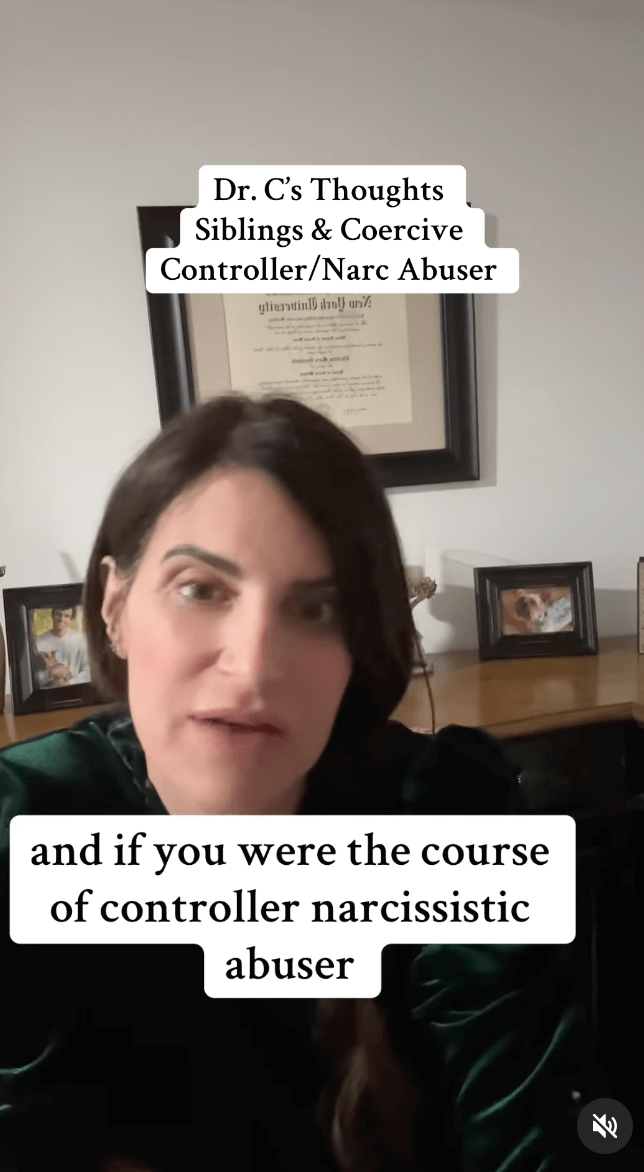
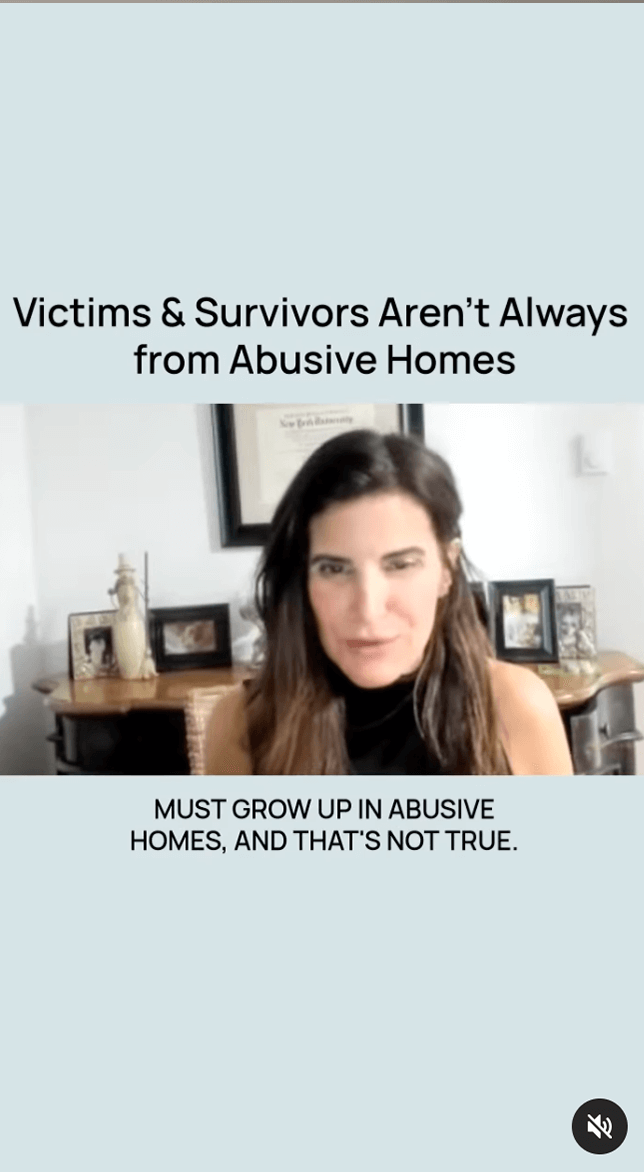
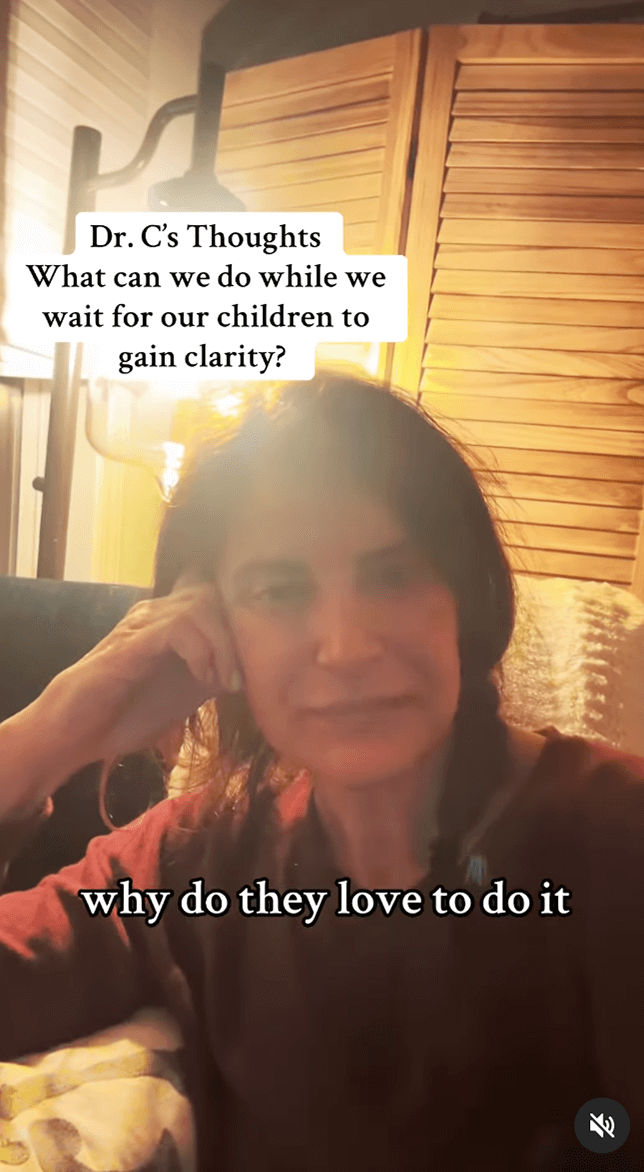
Dr C's Thoughts
Recommended Reading
"Fair-Fighting Rules"
on Therapist Aid
Using "Love Languages" to Connect with Our Children
on Parents.com
"Reunification Therapy for Children With a Domestic Abuser?"
on Psychology Today
Other Peer-Reviewed Articles
- Agnes Tiwari (2017) Impact of Childhood Exposure to Intimate Partner Violence and Other Adversities. Journal of the Korean Academy of Child and Adolescent Psychiatry. https://doi.org/10.5765/JKACAP.2017.28.3.156
- Ayeb-Karlsson, S. (2024). ‘We Have Lost our Humanity’: Incomplete Citizens, Dangerous Experts, and ‘(Residential) Reunification Interventions’ that Entrap, Punish and Harm the So-Called ‘Alienated’ Child within England and Wales Family Court System. Journal of Social Welfare and Family Law 1-21. https://doi.org/10.1080/09649069.2024.2414625
- Ayeb-Karlsson, S. (2025). ‘We Owe It to Them, Her Children’: Jade’s Law in an Era of So-Called ‘Parental Alienation’ – How Parental Responsibility and the Presumption of Parental Involvement Entrap Women and Children to Perpetrators of Domestic Abuse. Journal of Social Welfare and Family Law. https://doi.org/10.1080/09649069.2024.2414618
- Ayeb-Karlsson, S., Fawcett, K., Dalgarno, E. & Cicchetti, A. (2023). Introducing the concept of 'Abuse-Induced Forced (Im)mobility.' Technical report, DOI: 10.13140/RG.2.2.32213.49129
- Ayeb-Karlsson, S., Meier, J.S., Barnett, A., Mercer, J., Neilson, L.C., Pollack, D., Halperin-Kaddari, R., Corwin, D.L., Hester, M. Zaccour, S., Thiara, R., Weiner, M., Rathus, Z., Edleson, J.L., Page, N., et al. (2024). A collective international response to the claim that so-called ‘parental alienation’ is a well-studied ‘gender neutral’ empirical phenomenon which can easily be measured. Published online, UCL, NFVLC, and SFN. DOI: 10.13140/RG.2.2.20834.34246
- Barnett, O. W. (2000). Why battered women do not leave, part 1: External inhibiting factors within society. Trauma, Violence, & Abuse, 1(4), 343–372.
- Boland, S., & Brassard, M. R. (2011). Psychological maltreatment of children and youth. In J. E. B. Myers (Ed.), The APSAC handbook on child maltreatment (3rd ed., pp. 3–24). Thousand Oaks, CA: Sage.
- Brassard, M. R., & Donovan, K. L. (2006). Defining psychological maltreatment. In M. M. Feerick, J. F. Knutson, P. K. Trickett, & S. M. Flanzer (Eds.), Child abuse and neglect: Definitions, classifications, and a framework for research (pp. 3–27). Baltimore, MD: Paul H. Brookes.
- Buel, S. (n.d.). 50 obstacles to leaving.
- Casey Oliver, Peter Jaffe, Intimate partner violence-exposed children, Editor(s): Howard S. Friedman, Charlotte H. Markey, Encyclopedia of Mental Health (Third Edition), Academic Press, 2023, Pages 292-302, ISBN 9780323914987, https://doi.org/10.1016/B978-0-323-91497-0.00212-5.
- Cattagni Kleiner, A., & Romain-Glassey, N. (2018). How the current management of intimate partner violence can endanger victimized mothers and their children. Violence Against Women, 24(2), 200–223.
- Center for Judicial Excellence. (n.d.). U.S. divorce child murder data. Retrieved August 1, 2025, from https://centerforjudicialexcellence.org/cje-projects-initiatives/child-murder-data/
- Child Abuse Review. (2010). Vol. 19: 5–20. Published online 14 October 2009 in Wiley InterScience.
- Cinzia Guarnaccia, (2018) Does Childhood Psychological Abuse Contribute to Intimate Partner Violence Victimization? An Investigation Using Tthe Childhood Experience of Care and Abuse Interview.
- Ciurria, M. (2018). The loss of autonomy in abused persons: Psychological, moral, and legal dimensions. Humanities, 7(2), 1–19.
- Conolly, A. (2025). Political relational ethics: Examining women’s positionality in the UK family court through an autoethnographic case study. Culture and Organization, . https://doi.org/10.1080/14759551.2025.2574267.
- Coulter, M. L., & Mercado-Crespo, M. C. (2015). Co-occurrence of intimate partner violence and child maltreatment: Service providers’ perceptions. Journal of Family Violence, 30(2), 255–262.
- Dalgarno, E., Katz, E., Ayeb-Karlsson, S., Barnett, A., Motosi, P., & Verma, A. (2023). ‘Swim, swim and die at the beach’: family court and perpetrator induced trauma (CPIT) experiences of mothers in Brazil. Journal of Social Welfare and Family Law, 46(1), 11–38. https://doi.org/10.1080/09649069.2023.2285136
- Dalgarno, E., Ayeb-Karlsson, S., Bramwell, D., Barnett, A., & Verma, A. (2024). Health-related experiences of family court and domestic abuse in England: A looming public health crisis. Journal of Family Trauma, Child Custody & Child Development, 21(3), 277–305. https://doi.org/10.1080/26904586.2024.2307609
- Dalgarno, E., Katz, E., Ayeb-Karlsson, S., Barnett, A., Motosi, P., & Verma, A. (2023, December 14). ‘Swim, swim and die at the beach’: Family court and perpetrator induced trauma (CPIT) experiences of mothers in Brazil. Journal of Social Welfare and Family Law, 46(1), 11–38. https://doi.org/10.1080/09649069.2023.2285136
- Davis, C. (2025). What happened to you? Conversations on trauma, resilience, and healing: By Oprah Winfrey and Bruce D. Perry, Flatiron Books, 2021. Australian Social Work, 1–2. https://doi.org/10.1080/0312407X.2025.2457190
- Dixon, L., Hamilton-Giachritsis, C., Browne, K. D., & Ostapuik, E. (2007). The co-occurrence of child and intimate partner maltreatment in the family: Characteristics of the violent perpetrators. Journal of Family Violence, 22(7), 675–689.
- Flood, M. (2012). Separated fathers and the ‘fathers’ rights’ movement. Journal of Family Studies, 18(2–3), 235–345.
- Fontes, L. (2015). Invisible chains: Overcoming coercive control in your intimate relationship. New York, NY: Guilford Press.
- Friedman, M. (2003). Autonomy, gender, politics. Oxford: Oxford University Press.
- Gardner, R. A. (1992). True and false accusations of child sex abuse. Cresskill, NJ: Creative Therapeutics.
- Gómez-Leal, R., Fernández-Berrocal, P., Gutiérrez-Cobo, M. J., et al. (2024). The Dark Tetrad: Analysis of profiles and relationship with the Big Five personality factors. Scientific Reports, 14, 4443. https://doi.org/10.1038/s41598-024-55074-w
- Grey, R. (2023). “Catastrophic”: A qualitative exploration of survivors’ experiences of expert instruction in private law child arrangements proceedings. Journal of Social Welfare and Family Law, 45(4), 344–362.
- Grip, K. (2012). The damage done: Children exposed to intimate partner violence and their mothers—Towards empirically based interventions in order to reduce negative health effects in children (Doctoral dissertation). University of Gothenburg. http://hdl.handle.net/2077/30153
- Gutowski ER, Goodman LA. Coercive Control in the Courtroom: the Legal Abuse Scale (LAS). J Fam Violence. 2023;38(3):527-542. doi: 10.1007/s10896-022-00408-3. Epub 2022 May 19. PMID: 35611345; PMCID: PMC9119570. https://pmc.ncbi.nlm.nih.gov/articles/PMC9119570/
- Hall, C. (2020). Analysis of intimate partner violence testing instruments.
- Harsey, S., & Freyd, J. J. (2022). Defamation and DARVO [Editorial]. Journal of Trauma & Dissociation, 23(4), 481–489. https://doi.org/10.1080/15299732.2022.2111510
- Hart, S. N., Brassard, M. R., Binggeli, N. J., & Davidson, H. A. (2002). Psychological maltreatment. In J. E. B. Myers, L. A. Berliner, J. N. Briere, C. T. Hendrix, T. A. Reid, & C. A. Jenny (Eds.), The APSAC handbook on child maltreatment (pp. 79–104). Thousand Oaks, CA: Sage.
- Herman, J. L. (2023). Truth and repair: How trauma survivors envision justice. New York, NY: Basic Books.
- Hester, M., & Eriksson, M. (2006). The justice system as an arena for the protection of human rights for women and children experiencing violence and abuse. Academia.edu.
- Jaffe, P. G., Bala, N., Medhekar, A., Scott, K. L., & Oliver, C. (2023, February). Making appropriate parenting arrangements in family violence cases, 2023 (summary and supplemental materials). Justice Canada.
- Jaffe, P., Bala, N., Medhekar, A., Scott, K., & Oliver, C. (2025). Appropriate parenting arrangements in cases of intimate partner violence and coercive control: From research and legislative reform to changes in practice. Family Court Review, 63(3), 467–490. https://doi.org/10.1111/fcre.70002
- Johnson, L., Chen, Y., Stylianou, A., & Arnold, A. (2022). Examining the impact of economic abuse on survivors of intimate partner violence: A scoping review. BMC Public Health, 22(1), 1014. https://doi.org/10.1186/s12889-022-13297-4
- Journal of Family Violence. (2022). Coercive Control In The Courtroom: The Legal Abuse Scale (LAS). Journal of Family Violence, 38(3), 527–542. https://doi.org/10.1007/s10896-022-00408-3
- Jigisha Sharma (2023) Effects of Domestic Violence on Women and Children. https://www.ijraset.com/best-journal/effects-of-domestic-violence-on-women-and-children.
- Karin Grip.(2012) The Damage Done Children Exposed to Intimate Partner Violence and their Mothers-Towards empirically based interventions in order to reduce negative health effects in children.
- Katz, E. (2022). Coercive control in children’s and mother’s lives. Oxford University Press.
- Katz, E. (2023, October 23). Decoding coercive control with Dr. Emma Katz: From ‘Parental Alienation’ to (Abusers’) Child and Mother Sabotage.
- Katz, E., Nikupeteri, A., & Laitinen, M. (2020). When coercive control continues to harm children: Post-separation fathering, stalking, and domestic violence. Child Abuse Review, 29(4), 310–324.
- Lohmann, S., Cowlishaw, S., Ney, L., O’Donnell, M., & Felmingham, K. (2023). The trauma and mental health impacts of coercive control: A systematic review and meta-analysis. Trauma, Violence, & Abuse, 1–31.
- Lux, G., Beltrano, N., & Archer-Kuhn, B. (2024). Prioritizing safety in family law: A stage-gating approach to domestic violence and parent-child contact problems. Journal of Family Trauma, Child Custody & Child Development, 1–29. https://doi.org/10.1080/26904586.2024.2431696
- Matthewson, M. L., GAO, N., Njoku, C., Tarrant, A., Haines, J., & Tuerkheimer, E. (2023). A qualitative exploration of reunification post alienation. Frontiers in Psychology, 14, Article 1189840. https://doi.org/10.3389/fpsyg.2023.1189840
- Markus Kemmelmeier (2003) Childhood Exposure to Domestic Violence Predicts Relationship Violence: A Meta-Analysis. American Psychological Association (APA). https://www.academia.edu/108351301/Childhood_Exposure_to_Domestic_Violence_Predicts_Relationship_Violence_A_Meta_Analysis?email_work_card=title
- Meier, J. S. (2020). U.S. child custody outcomes in cases involving parental alienation and abuse allegations: What do the data show? Journal of Social Welfare and Family Law, 42(1), 92–105.
- Myhill, A., & Hohl, K. (2016). The “golden thread”: Coercive control and risk assessment for domestic violence. Journal of Interpersonal Violence, 34.
- Nicholson, S. B., & Lutz, D. J. (2017). The importance of cognitive dissonance in understanding and treating victims of intimate partner violence. Journal of Aggression, Maltreatment & Trauma, 26(5), 475–492.
- Nott, D., & Walker, B. R. (2021). The Dark Tetrad in the prediction of self-reported and behavioural risk-taking. Australian Journal of Psychology, 73(4), 569–577. https://doi.org/10.1080/00049530.2021.1955224
- Orr, K., Sheeran, N., & Douglas, H. (2023). The psychological impact on mothers who have experienced domestic violence when navigating the family court system: A scoping review. Psychiatry, Psychology and Law, 1–12.
- Patriarchy: Theoretical postulates and empirical findings. (2009). Sociological Bulletin, 58(2), 253–272.
- Pedro Mateo Fernández V. (2022) Insecure attachment style and child maltreatment: relations to aggression in men convicted of intimate partner violence. Colegio Oficial de la Psicologia de Madrid. https://doi.org/10.5093/ANYES2022A24
- Pingley, T. (2018). The impact of witnessing domestic violence on children: A systematic review. Children and Youth Services Review, 94, 12–20.
- Price, L. (2014). Critical realist versus mainstream interdisciplinary. Journal of Critical Realism, 13(1), 52–76.
- Rafaeli, E., Bernstein, D. P., & Young, J. (2011). Schema therapy: Distinctive features. New York, NY: Routledge.
- Renner, L. M., & Slack, K. S. (2006). Intimate partner violence and child maltreatment: Understanding intra- and intergenerational connections. Child Abuse & Neglect, 30(6), 599–617.
- Romero, A., & Staudenraus, M. (2023). Experiences of intimate partner violence victims: Continued abuses during and after litigation. Journal of Family Trauma, Child Custody & Child Development, 1–14.
- Rosenthal, H. (2019). Scanning for justice: Using neuroscience to create a more inclusive legal system. Columbia Human Rights Law Review, 2019. https://ssrn.com/abstract=3413213
- Sarkis, S. (2018). Gaslighting: Recognize manipulative and emotionally abusive people — and break free. New York, NY: Da Capo Lifelong Books.
- Sharma, S. R., Gonda, X., Dome, P., & Tarazi, F. I. (2020). What’s love got to do with it: Role of oxytocin in trauma, attachment and resilience. Pharmacology & Therapeutics, 214, 107602.
- Sharp-Jeffs, N., Kelly, L., & Klein, R. (2017). Long journeys toward freedom: The relationship between coercive control and space for action—Measurement and emerging evidence. Violence Against Women, 24(2), 163–185.
- Sheed, A., Brandt, C., & McEwan, T. E. (2024). The relationship between stalking, homicide, and coercive control in an Australian population. Homicide Studies. https://doi.org/10.1177/10887679241268032
- Silberg, J., & Dallam, S. (2018). Abusers gaining custody in family courts: A case series of overturned decisions. The Leadership Council on Child Abuse & Interpersonal Violence.
- Smith, S., Perrin, M., & Sarver, S. (2022). A therapeutic response to the alienating child: Balancing rights and responsibilities in clinical interventions. Journal of Child Custody, 19(3–4), 229–246.
- SpearmanK.J., Alhusen J.L., Ho G.W.K., Smith K.F., Campbell J.C. (2022) Addressing Intimate Partner Violence and Child Maltreatment: Challenges and Opportunities. In: Krugman R.D., Korbin J.E. (eds) Handbook of Child Maltreatment. Child Maltreatment (Contemporary Issues in Research and Policy), vol 14. Springer, Cham. https://doi.org/10.1007/978-3-030-82479-2_16
- Spearman,K. J., Hardesty, J. L., & Campbell, J. (2022). Post-separation abuse: A concept analysis. Journal of Advanced Nursing, 00, 1– 22. https://doi.org/10.1111/jan.15310
- Spearman, K. J., Hardesty, J. L., Campbell, J., & Vaughan-Eden, V. (2024). Post-separation abuse: A literature review connecting tactics to harm. Journal of Family Trauma, Child Custody & Child Development, 1–13.
- Stark, E. (2007). Coercive control: How men entrap women in personal life. New York, NY: Oxford University Press.
- Stark, E. (2012). Re-presenting battered women: Coercive control and the defense of liberty. In Violence Against Women: Complex Realities and New Issues in a Changing World. Les Presses de l’Université du Québec.
- Stark, E. (2021, January). Personal communication [Personal interview].
- Stark, E. (2023). Children of coercive control. Oxford University Press.
- Walby, S., & Towers, J. (2018). Untangling the concept of coercive control: Theorizing domestic violent crime. British Journal of Criminology, 58(2), 391–410.
- Weitzman, S. (2001). Not to people like us: Hidden abuse in upscale marriages. New York,
- Xyrakis, N., Aquilina, B., McNiece, E., Tran, T., Waddell, C., Suomi, A., & Pasalich, D. (2022). Interparental Coercive Control and Child and Family Outcomes: A Systematic Review. Trauma, Violence, & Abuse, 25(1), 22-40. https://doi.org/10.1177/15248380221139243 (Original work published 2024)