Before you read any further, I want you to do something.
Press play on this song. Then come back.
I’ll wait.
That song? That’s a child’s interior world, put into words and most children never get to say this out loud.
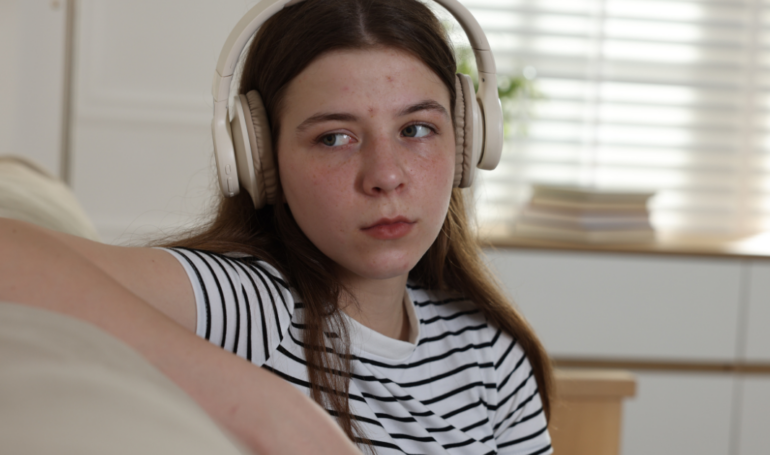
It’s the voice of a child who learned to take up less space. Who figured out, early, that being quiet, blending in, was safer than being real. Who watched, and waited, and folded themselves small, not because they didn’t need anything, but because they’d already learned that needing things just made everything harder.
That child didn’t disappear. They just went quiet.
And quiet, in a home shaped by coercive control, is survival.
This is the voice of a child growing up inside coercive control.
What Children Carry in Silence – The Hidden Impact of Coercive Control
Children living inside coercive control don’t always cry out. They don’t always act out. Sometimes, often, they go quiet.
They become the child who doesn’t ask for much.
They read every mood, every sigh, every tone. They learn when to joke, when to disappear, when to say I’m fine before anyone even asks. They become fluent in a language no child should have to speak. The language of managing everyone else’s feelings while swallowing their own.
This is what coercive control does to children. It doesn’t just harm the targeted parent. It reaches the child, too. Quietly, slowly, in the spaces between arguments and silences and forced smiles.
They grow up fast. They learn early how not to feel.
And the cruelest part? They often become adults who don’t know how to ask for love without feeling like a burden. Who hear their past whisper don’t need too much every time they reach toward connection.
They are still that child, just in an older frame. Still scared of need. Still carrying shame for simply being human.
The Child Who Was Quietly Missed
This is what we don’t talk about enough.
Not the child who was visibly neglected. Not the child whose pain was obvious to everyone in the room. But the child who seemed fine. The child who was helpful and polite and easy. The child who wasn’t ignored. Just quietly missed.
The child who needed someone to say I see you and never heard it.
That child is still in there. In your child. Waiting.
You Are That Voice
If you are a protective parent reading this, I want you to hear something clearly:
You are your child’s safe place.
Even when the system fails you. Even when you’re exhausted. Even when you’re fighting battles no parent should have to fight, your presence, your attunement, your willingness to see your child is the most powerful thing you can offer them.
Your child needs to know they don’t have to fold themselves small around you.
They need to know they can be loud, messy, needy, and real. And still be loved.
That is everything to that child.
You Don’t Have to Figure This Out Alone
The Protective Parenting Program was created for parents exactly like you. Parents who are navigating coercive control and its impact on their children. Parents trying to protect their children inside one of the most disorienting, traumatizing systems imaginable.
Inside the program, you’ll learn how to:
- Recognize the ways coercive control impacts your child’s attachment and behavior
- Respond in trauma-informed ways that rebuild safety and connection
- Use language that helps your child feel seen, heard, and not responsible for adult pain
- Protect yourself and your child with strategies grounded in clinical expertise and lived experience
Because your child doesn’t need you to be perfect. They need you to be present.
They needed you then. They need you now.
If you are looking for assistance to navigate through this, my Protective Parenting Program might be just the thing you need right now. You can learn more about our LIVE option or SELF-STUDY option HERE.